What Is an LLC and How Does It Work? A Simple Guide
Learn what an LLC is, how it works, how it protects owners, how LLC taxes work, and the key benefits, drawbacks, and steps to forming an LLC.
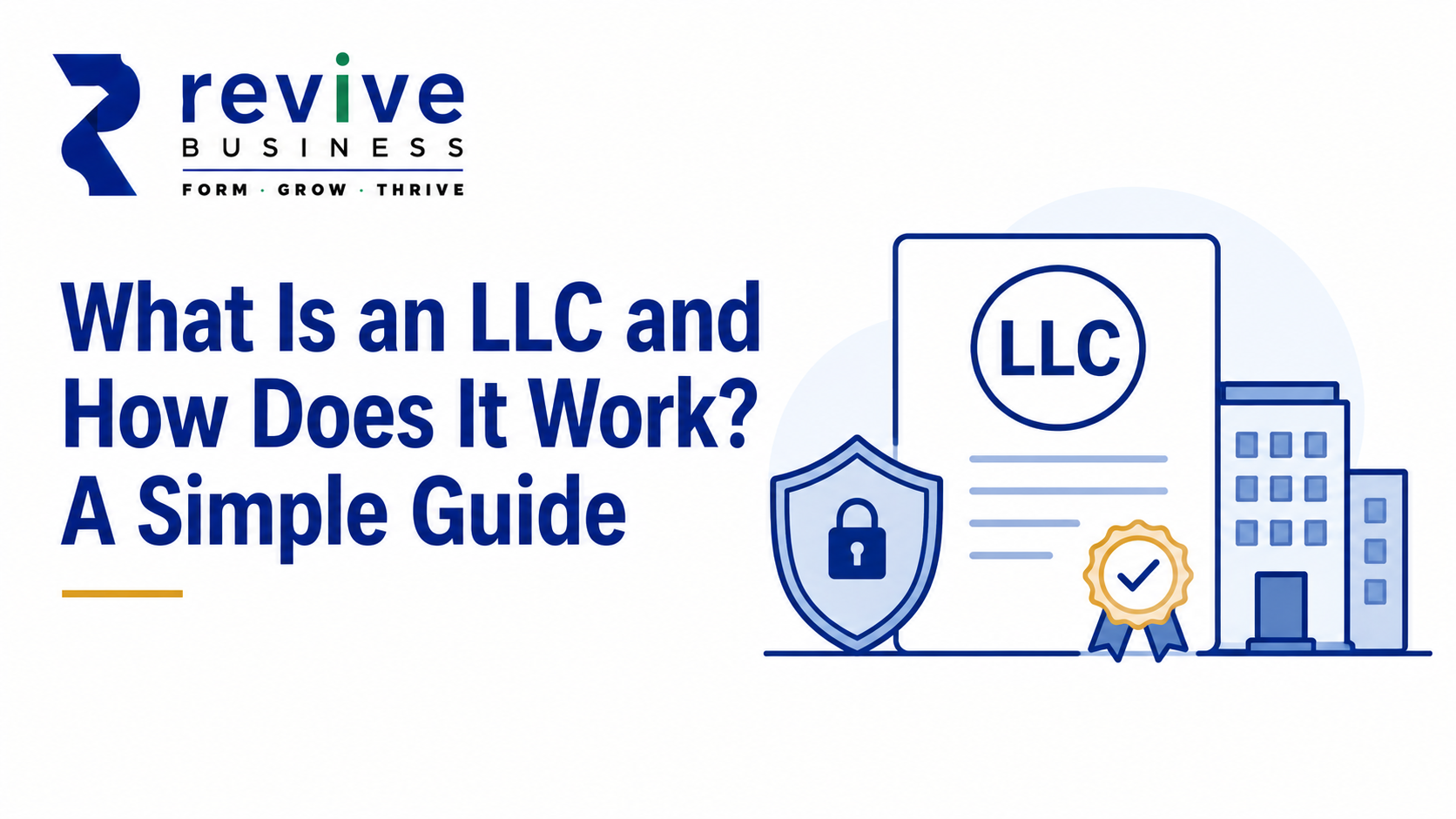
A Limited Liability Company (LLC) is a very common option for a new company chosen by many entrepreneurs, and this is hardly surprising since LLCs offer some great perks. Namely, they may provide liability protection and operational flexibility. What's worth noting is that specific requirements for LLC formation vary depending on the state in question.
In this guide, we'll walk through what an LLC actually is, how it functions day-to-day, what it does (and doesn't) protect you from, how taxes work, and what it takes to actually set one up.
What Is an LLC?
In essence, an LLC is a business entity formed by virtue of state legislation. The owners of the business are referred to as the "members," and the primary concept of an LLC is the differentiation between the business and the individual who owns it.
This separation is important because, in most cases, your personal assets are protected from business liabilities and legal issues arising from the company. However, this protection is not absolute, and certain exceptions may apply. These exceptions are discussed later, but the separation of personal and business liabilities remains one of the primary benefits of forming an LLC.
How Does an LLC Work?
Once the LLC is formed, it becomes its own separate entity and does not belong to you personally. This basically means that the LLC will be able to hold assets, make agreements, open an account for conducting business, incur debts, and conduct itself in its own name.
And as far as managing the LLC goes, it all depends on how the LLC has been formed. In some LLCs, the management of the business is performed by its members, while in others a manager is appointed. Both ways are fine, although there are always additional specifications that come with each individual state.
How Does an LLC Protect Its Owners?
This is normally what people are most interested in. The concept of limited liability implies that when a company falls into debt or faces lawsuits, the personal property is normally protected from such situations.
Nevertheless, there are some exceptions to this shield. Personal liability can result from a personal guarantee on business loans, fraudulent activities, and a lack of separation of personal and business financial affairs. The liability shield offered by an LLC is significant; however, it does not offer 100% protection.
How Are LLCs Taxed?
Tax issues can end up being one of the largest factors that push a business toward the choice of LLC, and surprisingly, it can be a little flexible when it comes to taxation issues. LLCs don’t automatically have a specific type of tax filing associated with them.
If you are the only owner, the tax implications of running an LLC will differ from the tax implications of running an LLC with other owners. The bottom line is that in many situations the profits and losses pass through to the owner and are included in their personal income tax returns. But depending on your specific situation, an LLC can choose a different tax filing altogether.
What Are the Benefits of Forming an LLC?
And why do so many small business owners choose an LLC structure? There are several recurring reasons:
-
Limited liability that makes personal and corporate risks separate from each other
-
The possibility to manage your company in any way you want
-
The ability to change tax system depending on the circumstances
-
Simpler formation compared to a regular corporation
-
A clear separation of you and your business – that becomes more relevant as your business grows.
Many first-time business owners simply like the fact that they have all of those advantages of limited liability companies, but without the complexity of a corporation.
Are There Any Drawbacks to an LLC?
To maintain integrity, it must be acknowledged that not all businesses benefit from LLC status. LLCs have expenses related to startup and annual fees charged by states, which also have varied reporting regulations. Furthermore, depending on the way the LLC is taxed, self-employment taxes may apply. Lastly, it should be noted that the liability protection is limited.
How Do You Form an LLC?
This may involve selecting a name for the business, having a registered agent if that is a requirement for your state, and filing the papers required by the state. An operating agreement is another step most businesses take even if it is not mandatory, because it can help define how the business will be managed. After that, the business needs to take care of tax ID numbers and other business registrations.
This whole process may seem overwhelming to many business owners, and they would rather focus on their business and not on such matters. That is why LLC formation services can be very useful for people in such situations.
Is an LLC Right for Your Business?
An LLC could be one of the good options if you want protection against personal liability in addition to having certain levels of business operational and tax flexibility. However, whether an LLC would be the correct choice or not will depend on individual circumstances such as the nature of your business, number of members, goals, etc. An LLC is not always the ideal structure to have for each business, but that does not make it wrong.
FAQs About LLCs
What does LLC stand for?
Limited Liability Company.
Does an LLC protect my personal assets?
It can offer a meaningful degree of separation between your personal and business assets, but that protection isn't absolute; certain actions or circumstances can still expose you personally.
Can one person own an LLC?
Yes, most states allow single-member LLCs, meaning one person can own and run the entire business.
Do LLC owners pay taxes?
Yes, though how much and in what way depends on things like the number of members and any tax elections made.
Do I need an LLC to start a business?
Not necessarily. Plenty of businesses operate under other structures, and the right one for you depends on your specific goals and circumstances.